Mobile Vehicle Diagnostics and No-Start Diagnosis in Felton, Delaware
Is your check engine light on, is your vehicle struggling to start, or have you noticed unusual engine performance? Wrench On The Go provides mobile vehicle diagnostics and no-start diagnosis in Felton, Delaware, helping drivers identify potential vehicle problems and understand the next steps.
Modern vehicles rely on electronic sensors, control modules, electrical systems, and mechanical components that work together. When something goes wrong, the symptoms may point to several possible causes. Diagnostic testing helps narrow down the possibilities before repairs or replacement parts are recommended.
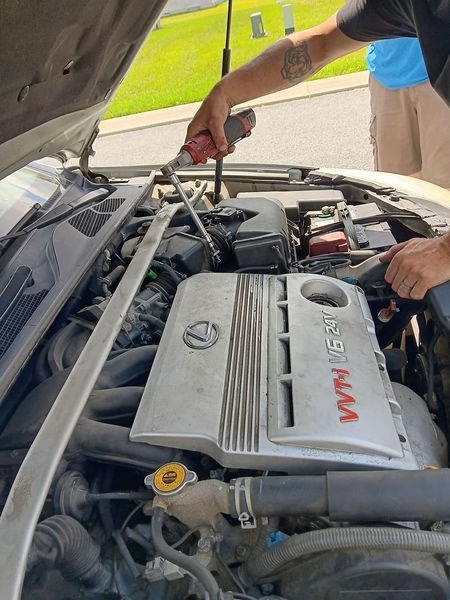
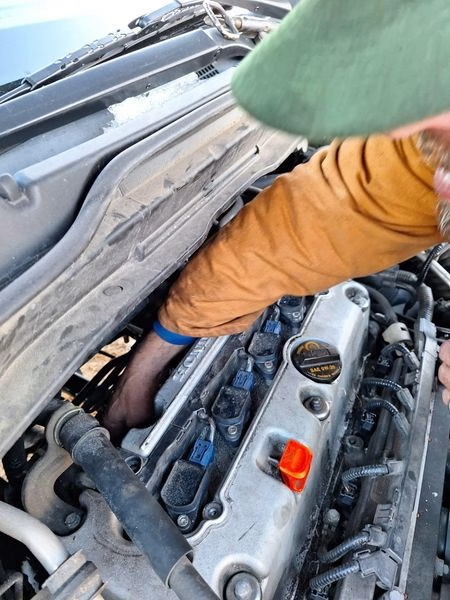
Our mobile mechanic service assesses suitable vehicle concerns at your home, workplace, or another appropriate location. Depending on the symptoms and vehicle, the assessment may include scanning diagnostic trouble codes, checking accessible components, evaluating starting problems, and determining whether further testing or workshop-based repairs are needed.
With over 40 years of hands-on automotive experience, Wrench On The Go helps drivers in Felton and surrounding Delaware communities make informed decisions about vehicle repairs.
Mobile Vehicle Diagnostics in Felton, DE
Vehicle diagnostics can help identify problems affecting engine performance, starting, charging, and other systems. The appropriate testing depends on your vehicle’s symptoms, warning lights, and available diagnostic equipment.
Check Engine Light Diagnosis
The check engine light can illuminate for many reasons, ranging from certain emissions-related faults to ignition, sensor, fuel system, or engine performance problems.
A diagnostic scanner may retrieve diagnostic trouble codes stored by the vehicle’s control module. These codes provide useful information about a detected issue, but they do not always identify the exact failed component.
Our diagnostic assessment may include:
-
Reading available diagnostic trouble codes.
-
Reviewing relevant dashboard warning lights.
-
Discussing when the warning first appeared.
-
Assessing related symptoms, such as rough idling or reduced power.
-
Inspecting accessible components when appropriate.
-
Determining whether additional testing is necessary.
For example, a code associated with a sensor circuit does not automatically mean the sensor itself needs replacement. Damaged wiring, poor connections, or another underlying fault may trigger the same code.
The goal is to investigate the available evidence and identify the most likely cause before recommending repairs.
No-Start Diagnosis
A vehicle that will not start may have a battery problem, a faulty starter, an ignition issue, a fuel delivery concern, or another electrical or mechanical fault.
The first step is understanding what happens when you try to start the engine.
If the engine does not crank: The issue may involve the battery, battery connections, starter motor, starter circuit, or another starting system component.
If the engine cranks but does not start: The cause may involve fuel delivery, ignition, engine sensors, engine management, or another system required for combustion.
If the vehicle starts intermittently: The problem may involve an inconsistent electrical connection, a failing component, or another fault that requires further testing.
Depending on the vehicle and circumstances, the diagnostic process may include battery testing, inspection of accessible connections, starting system checks, diagnostic code retrieval, and other appropriate tests.
This assessment helps determine whether the problem is suitable for a mobile repair or requires additional workshop diagnostics.
Unusual Engine Performance Diagnosis
Changes in engine behavior can indicate maintenance needs or developing mechanical or electrical problems.
We assess reported symptoms such as:
-
Rough or uneven idling.
-
Engine misfires or shaking.
-
Hesitation during acceleration.
-
Reduced engine power.
-
Difficulty starting when the engine is cold or hot.
-
Unexpected stalling.
-
Unusual engine noises.
-
Changes in fuel consumption.
-
Warning lights accompanied by performance changes.
These symptoms can have several possible causes. For example, rough running may involve spark plugs, ignition coils, fuel delivery, air intake leaks, sensors, or mechanical engine issues.
Diagnostic testing and appropriate inspections help narrow down the possible causes and determine what should be checked next.
Electrical and Sensor-Related Diagnostics
Modern vehicles use electrical circuits and sensors to monitor and control different operating systems. Faults involving wiring, connectors, sensors, or control modules may trigger warning lights or affect performance.
Depending on the vehicle and reported problem, an assessment may involve checking available fault codes, inspecting accessible connections, reviewing relevant symptoms, and performing suitable electrical tests.
Some faults require advanced diagnostic equipment, wiring diagrams, live data analysis, or specialized workshop procedures. If the problem cannot be confirmed with the available mobile equipment, we explain the limitation and discuss the next step.
How Diagnostic Testing Helps Identify the Problem
Diagnostic testing is more than plugging in a scanner and replacing whichever component appears in a fault code. A useful diagnosis combines the code information with symptoms, inspection findings, and appropriate testing.
Step 1: Understand the Symptoms
We begin by discussing what the vehicle is doing and when the problem occurs. Information about starting behavior, warning lights, noises, recent repairs, and driving conditions helps guide the assessment.
Step 2: Retrieve Available Diagnostic Codes
When appropriate, a compatible diagnostic scanner is connected to the vehicle to retrieve available trouble codes. These codes can help identify the system or circuit that requires attention.
Not every mechanical problem generates a diagnostic code, and some vehicles may have limited information available through a basic scan.
Step 3: Perform Relevant Checks
Based on the symptoms and codes, we determine which components or systems need further investigation. This may involve battery testing, connection checks, visual inspection, or other suitable tests.
Step 4: Interpret the Findings
We consider the results together rather than relying on one code or symptom. This helps distinguish a likely component failure from wiring issues, low voltage, or other possible causes.
Step 5: Explain the Recommended Next Step
Once the available evidence has been reviewed, we explain the likely cause, identify any remaining uncertainty, and discuss suitable repair options.
If additional testing is needed before the fault can be confirmed, we explain what that testing may involve.
What Happens After the Problem Is Identified?
The next step depends on the diagnosed concern, the parts required, and whether the repair can be completed safely at your location.
Mobile Repair When Suitable
Some issues can be addressed during a mobile service visit. Depending on the diagnosis and vehicle design, suitable work may include certain battery replacements, accessible component replacements, and selected maintenance or mechanical repairs.
We explain the proposed work and cost before proceeding with your approval.
Further Diagnostic Testing
Some problems cannot be confirmed through an initial scan or basic inspection. Intermittent electrical faults, complex engine issues, and certain sensor or control system problems may require additional testing.
We explain why further diagnosis may be necessary and discuss the available options.
Repair Shop or Towing When Necessary
A workshop may be required when the repair involves extensive disassembly, specialized equipment, a vehicle lift, or procedures that cannot be performed safely on-site.
Towing may be appropriate if the vehicle has severe overheating, serious brake or steering problems, major fluid leaks, or another condition that makes driving unsafe.
We explain the reason for the recommendation and help you understand the next step.
How Our Mobile Diagnostic Service Works
1. Share Your Vehicle Information
Contact Wrench On The Go with your vehicle’s year, make, model, current location, and approximate mileage if available.
2. Describe the Problem
Tell us whether the check engine light is on, whether the engine cranks, what sounds you hear, and when the symptoms occur. Mention any recent repairs, battery changes, or other relevant details.
3. Arrange an Appointment
We review the reported concern and discuss whether a mobile diagnostic assessment may be suitable. Appointment availability depends on your location, scheduling, vehicle requirements, and the type of problem.
4. Complete Appropriate Diagnostic Checks
We assess the reported symptoms and use suitable testing methods based on the vehicle and available equipment. Additional testing may be necessary if the initial results do not identify the cause.
5. Review Findings and Repair Options
We explain the findings, discuss the recommended next steps, and provide a quote for proposed repair work before proceeding.
What Affects the Cost of Vehicle Diagnostics?
The cost of mobile vehicle diagnostics and no-start diagnosis in Felton, Delaware, depends on the nature of the problem and the testing required.
-
Type of symptoms: A basic starting concern may require different checks from an intermittent engine performance problem.
-
Vehicle make and model: Diagnostic access and procedures vary between vehicles.
-
Testing requirements: Some faults require additional electrical or mechanical testing.
-
Problem complexity: Intermittent or multiple-system issues may take longer to identify.
-
Mobile service conditions: Vehicle accessibility and location affect the available testing options.
-
Follow-up repairs: Parts and repair labor are separate considerations when additional work is needed.
Contact Wrench On The Go with your vehicle details and symptoms to discuss the diagnostic service and request a quote.
Why Choose Wrench On The Go?
Mobile Diagnostic Convenience
Arrange suitable diagnostic assessments at your home, workplace, or another appropriate location.
Hands-On Automotive Experience
Our business brings over 40 years of hands-on automotive experience to vehicle maintenance and repair services.
Testing Before Parts Replacement
We use available diagnostic information and relevant checks to help identify the underlying problem before recommending replacement parts.
Clear Explanations
We explain the findings, discuss remaining uncertainties, and outline practical next steps.
Service With Integrity
As a family-owned business guided by Christian values, we aim to treat customers with honesty, respect, and care.
Mobile Vehicle Diagnostics Near Felton, Delaware
Wrench On The Go serves drivers in Felton and surrounding Delaware communities. If your check engine light is illuminated, your vehicle will not start, or you have noticed unusual engine performance, contact us to discuss your symptoms and location.
Our surrounding service areas include Dover, Camden, Harrington, Milford, Frederica, Magnolia, Woodside, Houston, Viola, Farmington, and Greenwood.
Service availability depends on your location, appointment scheduling, vehicle condition, diagnostic requirements, and the equipment needed. We determine whether the problem can be assessed through mobile diagnostics or requires workshop-based testing.
Frequently Asked Questions
What does a check engine light mean?
A check engine light indicates that the vehicle’s monitoring system has detected a condition requiring attention. The cause may involve emissions, ignition, sensors, fuel delivery, or another engine-related system. Diagnostic testing helps narrow down the possibilities.
Can a diagnostic scanner tell me exactly what is wrong?
Not always. A scanner retrieves available diagnostic codes, but those codes usually identify a system or condition rather than conclusively proving which part has failed. Additional testing may be required.
Can you diagnose a car that will not start?
Yes, a mobile assessment may be possible. The diagnostic approach depends on whether the engine cranks, whether the battery has sufficient power, and what other symptoms are present. Some faults require further testing or workshop facilities.
What is the difference between a no-crank and a crank-no-start problem?
A no-crank problem occurs when the starter does not turn the engine over. A crank-no-start problem occurs when the engine turns over but does not begin running. The two conditions can have different causes and require different diagnostic checks.
Should I clear the check engine light before an appointment?
It is generally better to leave the warning light and stored diagnostic information available for assessment. Clearing codes may remove useful information and make some faults harder to investigate.
Can you repair the problem after diagnosing it?
Some faults can be repaired during the mobile visit if the parts, tools, and working conditions allow. More complex issues may require additional testing or workshop-based repairs.
How much does mobile vehicle diagnostics cost in Felton, DE?
The cost depends on the symptoms, vehicle, testing required, and complexity of the problem. Contact Wrench On The Go with your vehicle information to request a quote.
When should I stop driving and arrange assistance?
Stop driving when safe if the engine is severely overheating, the oil pressure warning light appears while the engine is running, the brakes or steering are unreliable, or you notice major fluid leaks, smoke, or another serious safety concern. Arrange an assessment and towing when necessary.
Schedule Mobile Vehicle Diagnostics in Felton
If your vehicle is showing warning lights, struggling to start, or running differently than usual, Wrench On The Go can help assess the problem and explain your options.
Contact us with your vehicle details and a description of the symptoms. We will discuss availability, arrange a suitable diagnostic assessment, and help determine whether mobile repair, additional testing, or workshop service is the appropriate next step.
Take Care of Wear Before It Interrupts Your Day
Whether you’ve spotted a leak, heard a new squeal, or reached a scheduled replacement interval, Wrench On The Go can help. Contact us for belt and hose service in Felton and surrounding communities, with same-day appointments available.